

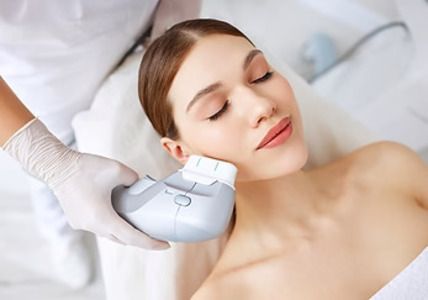
Smooth, glowing skin is often associated with a youthful and healthy complexion, but enlarged pores, uneven texture, and dullness can make the skin appear less refined. While pores are a natural part of the skin’s structure, factors such as aging, excess oil production, sun exposure, and reduced collagen levels can make them look more noticeable.
Modern skin resurfacing treatments offer advanced solutions for improving skin texture, minimizing the appearance of large pores, and restoring a natural glow. By encouraging skin renewal and collagen production, these Venus Viva Skin Resurfacing in The Woodlands treatments help create a smoother, more balanced complexion.
Why Do Pores Appear Larger?
Pores allow oil and sweat to reach the skin’s surface, making them essential for healthy skin function. However, several factors can cause pores to become more visible over time.
Common causes of enlarged pores include:
- Excess oil production
- Loss of skin elasticity
- Aging-related collagen decline
- Sun damage
- Dead skin buildup
- Genetics
When collagen levels decrease, the skin around pores loses firmness, causing them to appear stretched or more prominent.
How Skin Resurfacing Improves Pore Appearance
Skin resurfacing treatments work by improving the quality of the skin rather than physically removing pores. Since pore size is largely determined by genetics, treatments focus on making pores appear smaller by creating smoother, firmer skin.
Resurfacing helps by:
- Removing damaged surface cells
- Stimulating collagen production
- Improving skin firmness
- Refining uneven texture
- Encouraging healthier cell turnover
As the skin becomes smoother and stronger, pores often become less noticeable.
Laser Resurfacing for Smoother Skin
Laser resurfacing is one of the most effective options for improving texture and boosting radiance. It uses controlled light energy to stimulate skin renewal and collagen remodeling.
Depending on the technology used, lasers can:
- Smooth rough skin texture
- Reduce the appearance of enlarged pores
- Improve sun damage
- Minimize fine lines
- Restore skin brightness
Fractional laser treatments create tiny treatment zones in the skin while leaving surrounding tissue untouched, allowing for effective rejuvenation with more manageable recovery.
Microneedling for Pore Refinement
Microneedling is a popular resurfacing technique that uses tiny needles to create controlled micro-injuries in the skin. These small injuries activate the body’s natural healing response and encourage new collagen formation.
Improved collagen structure can help:
- Tighten loose-looking skin
- Smooth uneven texture
- Reduce the appearance of pores
- Improve overall skin quality
Many people choose microneedling because it provides noticeable texture improvements with relatively limited downtime.
Chemical Peels for a Brighter Complexion
Chemical peels improve skin appearance by exfoliating damaged surface cells. Removing dead skin buildup allows fresher skin to appear while improving tone and texture.
Depending on the strength and formulation, chemical peels may help with:
- Dull skin
- Uneven complexion
- Rough texture
- Mild pore congestion
- Surface imperfections
Gentler peels can provide a refreshed glow, while stronger professional peels may address deeper texture concerns.
Radiofrequency Skin Resurfacing and Tightening
Some modern treatments combine resurfacing with energy-based skin tightening. Radiofrequency technology uses heat energy to stimulate collagen production beneath the skin’s surface.
These treatments may help improve:
- Skin firmness
- Fine lines
- Texture irregularities
- Overall smoothness
By strengthening the skin structure, they can make pores appear less visible.
The Connection Between Collagen and Glowing Skin
Collagen plays a major role in maintaining smooth, youthful-looking skin. It provides support and structure, helping the skin appear firm and refined.
As collagen production declines due to aging and environmental damage, the skin may become:
- Thinner
- Less elastic
- Rougher in texture
- More prone to visible pores
Resurfacing treatments encourage collagen renewal, helping restore a smoother surface over time.
What to Expect After a Resurfacing Treatment
Recovery depends on the type and intensity of the procedure. Some treatments involve minimal downtime, while deeper resurfacing may require more healing.
Common short-term effects include:
- Redness
- Mild swelling
- Sensitivity
- Dryness
- Light peeling
Following proper aftercare is essential for protecting the skin and maximizing results.
How to Maintain Your Resurfacing Results
A good skincare routine helps extend the benefits of resurfacing treatments.
Important habits include:
Use Sunscreen Daily
UV exposure accelerates collagen breakdown and can contribute to uneven texture. Daily broad-spectrum sunscreen helps protect your results.
Keep Skin Hydrated
Well-moisturized skin appears smoother and healthier. Hydration also supports the skin barrier after treatments.
Choose Gentle Skincare Products
Avoiding harsh exfoliants and irritating ingredients helps maintain skin balance.
Support Collagen Health
Ingredients such as retinoids, peptides, and antioxidants may support long-term skin improvement when used appropriately.
Who Can Benefit From Pore-Focused Resurfacing?
Skin resurfacing may be beneficial for people experiencing:
- Visible pores
- Uneven texture
- Dull complexion
- Early signs of aging
- Mild acne scars
- Sun-related skin changes
However, treatment choice should be based on individual skin type, sensitivity, and goals.
Final Thoughts
Large pores and dull skin texture are common concerns, but modern resurfacing treatments provide effective ways to create a smoother, brighter complexion. By stimulating collagen, improving skin renewal, and refining texture, procedures like laser resurfacing, microneedling, and chemical peels can help reveal healthier-looking skin.
Radiant skin is not about eliminating every natural feature—it is about improving skin quality and creating a balanced, refreshed appearance. With the right treatment plan and consistent skincare habits, resurfacing can help transform rough texture into a smoother, more refined glow.
