

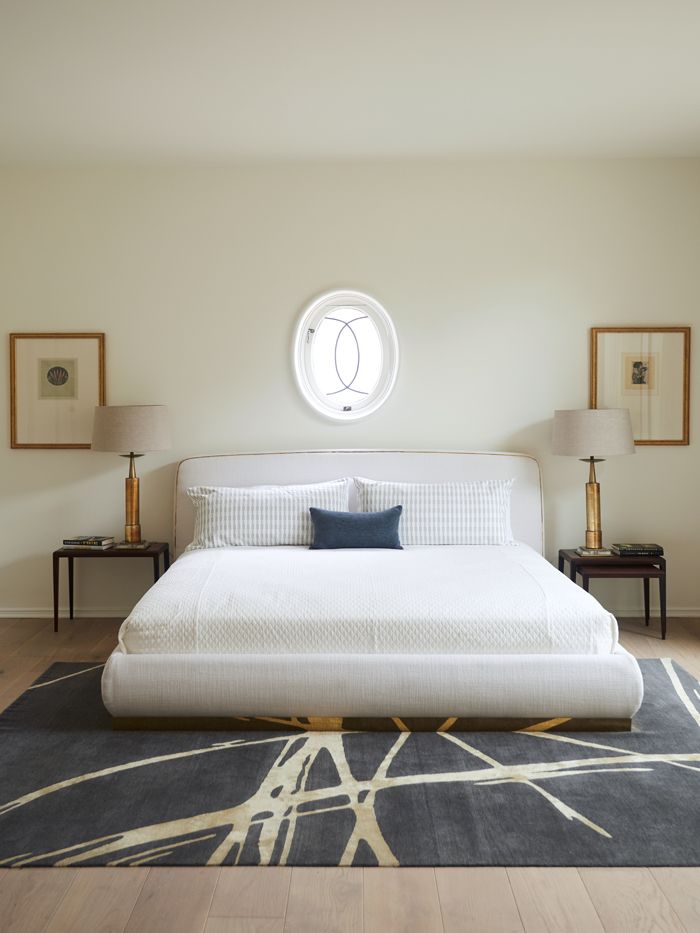
The best rooms for transitional rugs are the living room, dining room, bedroom, and entryway. These rugs blend classic patterns with modern aesthetics, making them highly versatile. Place them in living areas to anchor your furniture, or use them in entryways to create a welcoming first impression.
Finding the right balance between classic design and modern style often challenges homeowners and interior designers. You might have vintage furniture that needs a contemporary touch, or a stark modern room that feels too cold. Transitional rugs solve this problem perfectly by blending the best elements of both worlds.
These rugs take traditional motifs and update them with fresh color palettes or distressed finishes. This unique combination allows them to fit seamlessly into almost any interior design scheme. They act as a bridge, unifying different furniture styles and creating a cohesive look throughout your home.
This guide details the best rooms to place transitional rugs. You will learn how to select the right size, material, and pattern for your specific space, and find out where to source high-quality handmade options.
What makes a transitional rug the right choice for your home?
Transitional rugs bridge the gap between traditional and contemporary design. They often feature classic elements, like floral motifs or geometric borders, but apply modern color schemes and varied textures.
How do transitional rugs blend different interior styles?
These rugs tone down the formality of traditional carpets while adding character to minimalist spaces. If your living room features a mid-century modern sofa alongside a vintage wooden coffee table, a transitional rug ties those two distinct styles together. The rug acts as a visual anchor, preventing the room from feeling disconnected.
Why should you choose transitional rugs over other options?
Choose a transitional rug if you update your furniture and decor frequently. Because these rugs do not lean too far into one specific design era, they adapt easily to changes in your home’s aesthetic. You will not need to replace your flooring every time you buy a new piece of furniture or change your paint color.
Which rooms are best for transitional rugs?
Transitional rugs work well in almost every part of a house. However, certain rooms benefit specifically from their versatile design.
How do transitional rugs tie a living room together?
The living room serves as the central gathering space in most homes, making it the ideal location for a statement rug. A transitional rug anchors the seating area and defines the space, especially in open-concept floor plans. Standard living room rugs measure 8×10 or 9×12 feet. Ensure the front legs of your sofa and chairs sit on top of the rug to create a unified seating zone.
Why add a transitional rug to your dining room?
Dining rooms often contain a lot of hard surfaces, from wooden tables to metal chairs. A transitional rug softens the room and dampens sound. The traditional patterns hide spills and stains effectively, while the modern colors keep the room feeling fresh. Pick a rug that extends at least 24 inches beyond all sides of the dining table so chairs remain on the rug when pulled out.
What makes a transitional rug perfect for a bedroom?
Bedrooms require comfort and warmth. Placing a transitional rug under your bed provides a soft landing spot for your feet in the morning. Choose a subtle, muted pattern to maintain a calming atmosphere. A large 9×12 rug works best under a king-size bed, while an 8×10 rug suits a queen-size bed perfectly.
How can an entryway benefit from a transitional rug?
Your entryway sets the tone for the rest of your home. A transitional runner or small area rug immediately signals your personal style to guests. Because entryways see high foot traffic, select a durable material like wool. According to The Ambiente design team, wool naturally repels dirt and stands up to daily wear while maintaining its shape and color.
How do you choose the right transitional rug?
Selecting the perfect rug requires attention to scale, color, and fabric. Following basic sizing rules and material guidelines ensures your rug looks great and lasts for years.
What are the best sizes and proportions for your room?
A rug that is too small makes a room feel disjointed, while a rug that is too large overwhelms the space. Always measure your room and your furniture before making a purchase. Leave about 18 inches of bare floor between the edge of the rug and the walls in large rooms, or 8 inches in smaller spaces.
How to pick the right color and pattern?
Look at your existing furniture and wall colors. If your room features solid, neutral upholstery, choose a transitional rug with a bold, contrasting pattern to add visual interest. If your room already has vibrant artwork and patterned pillows, select a rug with a subtle, distressed design to avoid clashing.
Which materials offer the best durability?
The material dictates the lifespan and maintenance of your rug. Choose wool if durability and longevity matter most. Handcrafted wool rugs resist stains naturally and feel soft underfoot. Silk rugs offer an unmatched sheen and softness, making them ideal for low-traffic areas like bedrooms.
Where should you purchase transitional rugs?
Finding the right rug means looking for skilled craftsmanship and authentic materials. South Asia, particularly Bhadohi in India, serves as the largest hub for hand-knotted carpet weaving.
What are the benefits of buying rugs online?
When you Buy Rugs Online, you gain access to a massive inventory that physical showrooms simply cannot match. You can filter by exact size, color, and material specifications. Many online retailers also offer detailed photography and room-visualizer tools to help you see exactly how the rug will look in your space before you commit.
Why buy transitional rugs from The Ambiente?
If you want to Buy Transitional Rugs that feature authentic craftsmanship, The Ambiente delivers exceptional quality. Based in New Delhi with deep roots in Bhadohi, The Ambiente leverages over 30 years of expertise through its parent company, Bhadohi Carpets. When you Buy Transitional Rugs in India through The Ambiente, you support a network of over 4,000 women weavers who rely on this traditional craft for sustainable livelihoods. Founders Avani and Ayush Khandelwal ensure every handcrafted silk and wool rug meets high standards of quality, bridging age-old weaving techniques with contemporary design needs.
Upgrade your home with versatile floor coverings
Transitional rugs offer a smart, adaptable flooring solution for any home. They unify varied furniture styles, add warmth to hard floors, and stand up to changing interior trends. By placing them strategically in your living room, dining room, bedroom, or entryway, you instantly upgrade your home’s atmosphere. Measure your rooms carefully, choose durable materials like wool or silk, and invest in authentic handcrafted pieces that will last a lifetime.
Frequently Asked Questions
Are transitional rugs suitable for high-traffic areas?
Yes. Transitional rugs made from durable natural fibers like wool work exceptionally well in high-traffic areas such as entryways and living rooms. Wool naturally resists dirt, retains its shape, and handles daily wear better than most synthetic materials.
How do I clean and maintain a transitional wool rug?
Vacuum the rug regularly without using a beater bar, as aggressive brushing can damage the handwoven fibers. Blot spills immediately with a clean, dry cloth rather than rubbing the stain. Hire professional rug cleaners every one to two years for a deep clean.
What is the difference between a traditional rug and a transitional rug?
Traditional rugs use strict, formal patterns (like Persian or Oriental medallions) and classic, rich color palettes. Transitional rugs take those same traditional patterns but soften or distress them, often applying modern, muted, or unexpected color schemes to make them fit contemporary homes.
Can I place a transitional rug over wall-to-wall carpeting?
Yes. Layering a transitional rug over existing carpet adds texture and defines specific zones within a large room. Use a firm rug pad underneath the transitional rug to prevent it from bunching or creeping across the carpeted floor.
