

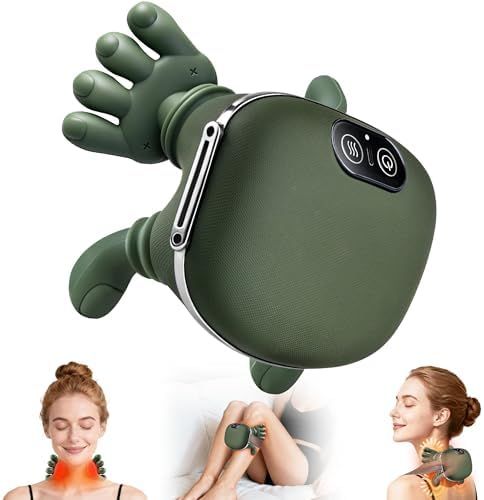
Even the most advanced Hand Simulated Neck shoulder massager will underperform if it is not positioned correctly. The placement of the massage nodes determines how effectively pressure is delivered to key muscle groups, how evenly tension is released, and how comfortable the overall experience feels.
Proper positioning is not just about convenience—it directly influences the depth, precision, and safety of the massage.
Why Positioning Matters in Hand-Simulated Massage
Massage nodes are designed to replicate human hands, but unlike a therapist, a device relies entirely on how it is aligned with your body.
Incorrect Positioning Leads To:
- Missed trigger points
- Uneven pressure distribution
- Reduced deep tissue effectiveness
- Increased discomfort or strain
Correct Positioning Ensures:
- Targeted muscle engagement
- Balanced compression
- Smoother kneading motion
- Improved relaxation response
Understanding Key Target Zones
To position nodes effectively, you must first understand where tension commonly builds.
1. Upper Trapezius
This is the most common stress accumulation area.
- Located between neck and shoulders
- Often tight from desk work or screen use
2. Cervical Spine Base
A critical area for neck stiffness and headaches.
- Located at the back of the neck
- Sensitive to deep pressure
3. Shoulder Junction
Where shoulder blades meet upper back muscles.
- Common site for deep knots
- Requires consistent pressure alignment
How to Properly Align Hand-Simulated Nodes
1. Center the Device Before Activation
Before turning on the massager:
- Place the device evenly across both shoulders
- Ensure nodes sit just above the shoulder line
- Check that the neck opening aligns with the spine
Why This Matters
Proper centering ensures symmetrical pressure distribution.
2. Adjust Shoulder Strap Tension
Strap tension directly affects node contact depth.
Guidelines
- Light tension = surface-level relaxation
- Medium tension = balanced muscle engagement
- Firm tension = deeper knot targeting
Avoid over-tightening, which can reduce comfort and circulation.
3. Position Nodes Along Muscle Fibers
Nodes should align with natural muscle direction, not just general placement.
For Neck Relief
- Nodes should sit at the base of the skull
- Avoid placing pressure directly on the spine
For Shoulder Relief
- Nodes should rest in the trapezius muscle belly
- Ensure even left-right placement
4. Maintain Upright Posture
Your body position affects how nodes interact with muscles.
Best Positioning
- Sit upright in a chair with back support
- Keep shoulders relaxed, not hunched
- Avoid leaning forward during use
How Small Adjustments Change Massage Quality
1. Vertical Shifts (Up/Down)
Moving the device slightly changes which muscles receive pressure.
- Higher position = neck focus
- Lower position = shoulder and upper back focus
2. Lateral Adjustments (Left/Right)
Even small shifts can correct imbalance between sides.
3. Strap Tightness Variation
Alters how deeply nodes penetrate muscle tissue.
4. Head Positioning
Tilting your head slightly forward or backward changes contact points.
The Role of Ergonomics in Positioning
Modern massagers are designed with body contours in mind, but alignment still depends on the user.
Curved Shoulder Fit
Devices are shaped to follow natural shoulder slope, but only if properly placed.
Neck Channel Design
The neck opening must align with cervical curvature for effective kneading.
Common Positioning Mistakes
Sitting Too Far Forward or Backward
This shifts node contact away from target muscles.
Misaligned Shoulder Placement
Leads to uneven pressure and reduced effectiveness.
Over-Tightening Straps
Can cause discomfort and restrict proper node movement.
Using the Device While Moving Excessively
Movement disrupts alignment and reduces massage precision.
How to Optimize Position for Different Goals
1. For Deep Knot Release
- Tighten straps slightly
- Position nodes firmly in trapezius area
- Use slower, deeper massage mode
2. For General Relaxation
- Use medium strap tension
- Allow broader contact coverage
- Choose moderate speed settings
3. For Pre-Sleep Use
- Keep positioning light and comfortable
- Focus on neck base relaxation
- Use heat with gentle intensity
4. For Post-Work Recovery
- Center device carefully on shoulder line
- Prioritize symmetrical alignment
- Combine medium intensity with heat
Why Proper Positioning Enhances Real-Touch Effect
Better Muscle Engagement
Correct alignment ensures nodes mimic real hand placement.
Improved Pressure Accuracy
Focused contact increases effectiveness on trigger points.
More Natural Sensation
Proper fit enhances the illusion of human-like massage.
Final Thoughts
Positioning is one of the most important yet overlooked aspects of using a hand-simulated massager. Even the most advanced technology cannot deliver optimal results without correct alignment.
By carefully centering the device, adjusting strap tension, and aligning nodes with key muscle groups, users can dramatically improve comfort, effectiveness, and overall relaxation. Proper positioning turns a standard massage session into a precise, human-like therapeutic experience tailored to your body’s natural structure.
